
Jet blast protection systems are engineered safety solutions designed to shield people, infrastructure, and equipment from the high-velocity exhaust produced by aircraft engines during ground operations. Jet blast can generate extreme air pressure, heat, and debris displacement, posing risks to personnel, nearby structures, vehicles, and aircraft on the apron or taxiway.
These systems typically consist of fixed or movable blast deflectors, barriers, or screens constructed from high-strength steel, composite materials, or reinforced concrete. They are strategically positioned near runways, taxiways, and engine run-up areas to redirect exhaust flow upward or away from sensitive zones, reducing direct exposure and potential damage.
Jet blast protection systems play a critical role in maintaining safe and efficient airport operations. Their design must account for aircraft type, engine thrust levels, spatial constraints, and regulatory requirements. Properly implemented systems help minimize operational disruptions, protect airport assets, and support compliance with aviation safety standards.
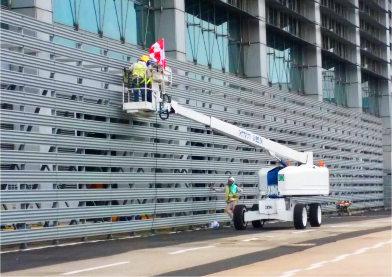
Location: Changi Airport @ Parking Bay A1 and B1
Period: 05 – 08 Sep 2016
Bolts Replacement
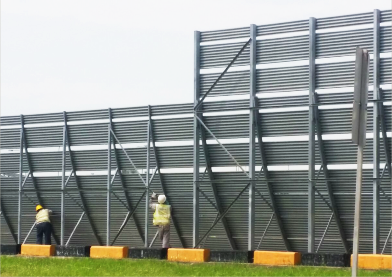
Location: Changi Airport @ Parking Bay A21
Period: 26 – 29 Sep 2016
Bolts Replacement
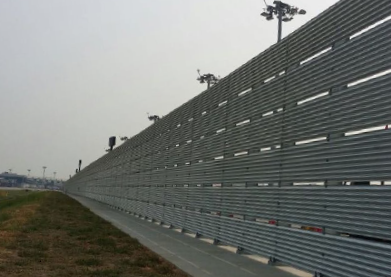
Location: Changi Airport @ Bay 400
Period: Jan – Mar 2015
Construction of JBF Foundation and installation of JBF
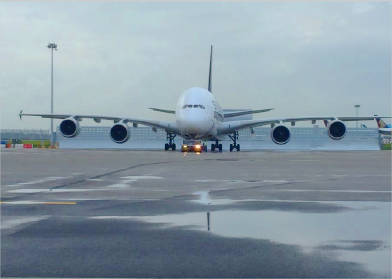
Location: Changi Airport @ Bay 606
Period: Aug – Nov 2015
Installation of JBF
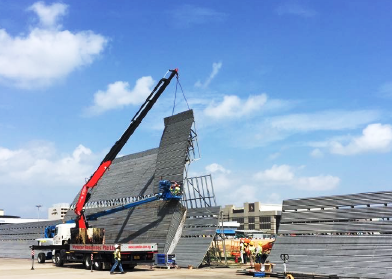
Location: Changi Airport @ Bay 609
Period: Nov 2015 – Feb 2016
Installation of JBF
Standard Sign was established in August 2016.
We specialize in the design, supply, and installation of advanced jet blast protection systems for aviation and airside environments. Our solutions are engineered to mitigate the impact of jet blast, ensuring operational safety, asset protection, and regulatory compliance across airports and aviation facilities.
With a focus on durability, performance, and precision engineering, we deliver reliable systems tailored to the specific requirements of each site.